
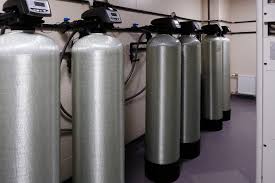
Water is part of nearly every routine at home, from making morning coffee and cooking dinner to washing clothes and taking a shower. Yet most people don’t pay much attention to the quality of their water until something feels off. Maybe the dishes look cloudy, soap doesn’t lather properly, the water tastes unpleasant, or mineral deposits keep appearing around faucets. These small annoyances can be signs that your water needs a closer look.
Choosing the right treatment system isn’t always straightforward, either. There are plenty of products available, each promising cleaner, softer, or better-tasting water. The trick is figuring out what your household actually needs before spending money.
Why Water Quality Deserves Attention
Water quality can vary considerably from one neighborhood to another. Municipal water supplies are treated before reaching homes, but water can still contain minerals, disinfectant residues, or other substances that affect its taste, smell, and everyday use. Homes relying on private wells may face different concerns depending on the surrounding soil, groundwater conditions, and nearby activities.
Hard water is one of the most common household complaints. Calcium and magnesium can gradually form deposits inside plumbing, water heaters, showerheads, and appliances. These deposits aren’t always noticeable at first, but over time, they may contribute to reduced efficiency and more frequent maintenance.
Understanding your water’s characteristics is a good starting point. A basic water test can reveal hardness levels and help identify whether additional testing for specific contaminants is necessary.
Finding the Right Treatment for Your Household
Every home has different water requirements. A family dealing with mineral buildup may need a water softener, while another household might be more concerned about drinking-water taste or particular contaminants.
This is where water treatment system guidance becomes useful. Instead of purchasing equipment based on advertising or a neighbor’s recommendation, homeowners should consider their water source, test results, daily usage, plumbing setup, and maintenance preferences.
Some treatment options focus on specific problems:
- Water softeners help reduce calcium and magnesium responsible for hardness.
- Reverse osmosis systems reduce many dissolved contaminants in drinking water.
- Sediment filters capture particles such as sand, dirt, and rust.
- Carbon filtration helps improve taste and odor while reducing certain chemicals.
- UV treatment can help inactivate microorganisms when appropriately designed for the water supply.
Not every household needs all these systems. In fact, installing too much equipment without understanding the water can create unnecessary expenses.
Understanding Water Softeners and Their Benefits
Water softeners are commonly used in homes where hardness causes recurring problems. Traditional salt-based systems work through ion exchange, replacing calcium and magnesium with sodium or potassium ions.
Homeowners may notice several practical improvements after installation. Soap and detergents can work more effectively, shower surfaces may become easier to clean, and mineral deposits may develop less frequently. Laundry can feel softer, while appliances that use water may benefit from reduced scale accumulation.
However, water softeners aren’t designed to remove every contaminant. They mainly address hardness, which is why water testing remains important before choosing a system.
Water Softener FAQ’s: Common Questions Worth Asking
When researching treatment equipment, water softener faq’s often cover the same concerns: whether a softener is necessary, how much maintenance it requires, and what happens after installation.
Does every home need a water softener? No. If water hardness is low and there are no noticeable issues, a softener may not be necessary.
How often does a softener need salt? It depends on water hardness, household consumption, system capacity, and regeneration settings. Some homes refill their salt tank more frequently than others.
Will softened water improve cleaning? It can help reduce mineral-related residue and allow soaps to work more efficiently, which may make cleaning easier.
Can a softener improve drinking water? It reduces hardness minerals, but it isn’t a complete drinking-water filtration system. Homeowners concerned about taste or specific contaminants may want additional filtration.
Asking these questions before installation helps set realistic expectations and prevents confusion later.
Maintenance Is Just as Important as Installation
A water treatment system isn’t something you install and forget about forever. Filters require replacement, softeners need salt replenishment, and some equipment may require periodic cleaning or inspection.
Neglecting maintenance can reduce performance and potentially affect water quality. Fortunately, keeping up with most systems isn’t particularly complicated. Following the manufacturer’s schedule, checking for leaks, and paying attention to changes in taste, water pressure, or performance can help catch problems early.
It’s also worth keeping track of filter replacement dates. A simple reminder on your phone can save you from discovering that your filtration system hasn’t been maintained for months.
Practical Water Treatment Advice and FAQs for Homeowners
Good decisions usually begin with understanding the problem. water treatment advice and FAQs can help homeowners compare options, but the most useful recommendations are based on actual water conditions rather than assumptions.
Before purchasing equipment, ask whether the system is certified for the contaminants you’re concerned about, what maintenance it requires, how much water it uses, and whether installation costs are included. If your water comes from a private well, periodic testing is especially important because conditions may change over time.
A professional water assessment can also help determine whether one system is sufficient or whether a combination of softening and filtration makes sense.
Making Better Water a Long-Term Investment
Water treatment doesn’t need to involve complicated equipment or an expensive setup. Sometimes a simple filter solves the problem; other homes may benefit from a properly sized softener or a more comprehensive approach.
The best choice is the one that addresses your real water concerns, fits your household’s needs, and remains manageable over time. When you understand what’s coming through your taps, you’re in a much better position to protect your appliances, simplify everyday cleaning, and enjoy water that feels right for your home.
A little research and the right guidance can go a long way. And honestly, having one less household problem to worry about is always a welcome thing.