
Clean Water Means Different Things to Different Homes
Ask five homeowners what they want from their water, and you’ll probably hear five different answers. Some are tired of scrubbing stubborn white spots off shower doors. Others wish their drinking water tasted fresher. A few simply want peace of mind knowing the water their family uses every day is as clean as possible.
The truth is, there isn’t one universal solution because every home’s water tells a different story. What works perfectly for one family might solve only half the problem for another. That’s why choosing a treatment system shouldn’t begin with advertisements or sales pitches—it should begin with understanding your home’s actual water quality.
Whether your water comes from a city supply or a private well, minerals, sediment, chlorine, and naturally occurring contaminants can all affect how your water looks, smells, tastes, and performs throughout the house.
Water Quality Affects More Than Your Glass
When people think about clean water, they usually picture a glass sitting on the kitchen table. But water quietly influences almost every part of daily life.
It’s washing clothes, running through the dishwasher, filling the coffee maker, heating inside the water heater, and flowing through every faucet in the house. Even your skin and hair respond to the minerals and chemicals present in your water.
Hard water can leave behind scale that slowly builds inside pipes and appliances. Chlorine may create an unpleasant taste, while sediment can reduce the efficiency of plumbing fixtures over time. Sometimes these problems appear gradually, making them easy to ignore until repairs become expensive.
That’s one reason so many homeowners decide it’s finally time to improve their home’s water rather than simply living with the issues.
Not Every Problem Needs the Same Solution
One of the biggest mistakes people make is assuming every filtration product does the same job.
It doesn’t.
Some systems are designed to capture sediment. Others focus on reducing chlorine or unpleasant odors. Certain equipment targets hardness minerals, while specialized systems remove a much wider range of dissolved contaminants.
That’s why professional water testing often comes first. Knowing exactly what’s in your water helps eliminate guesswork and prevents spending money on equipment that doesn’t address the real issue.
The best investment is always the one that’s matched to your home’s specific needs.
Looking Beyond Basic Filters
Many homes already have small filters built into refrigerators or countertop pitchers. While those products certainly have their place, they’re designed for relatively limited tasks.
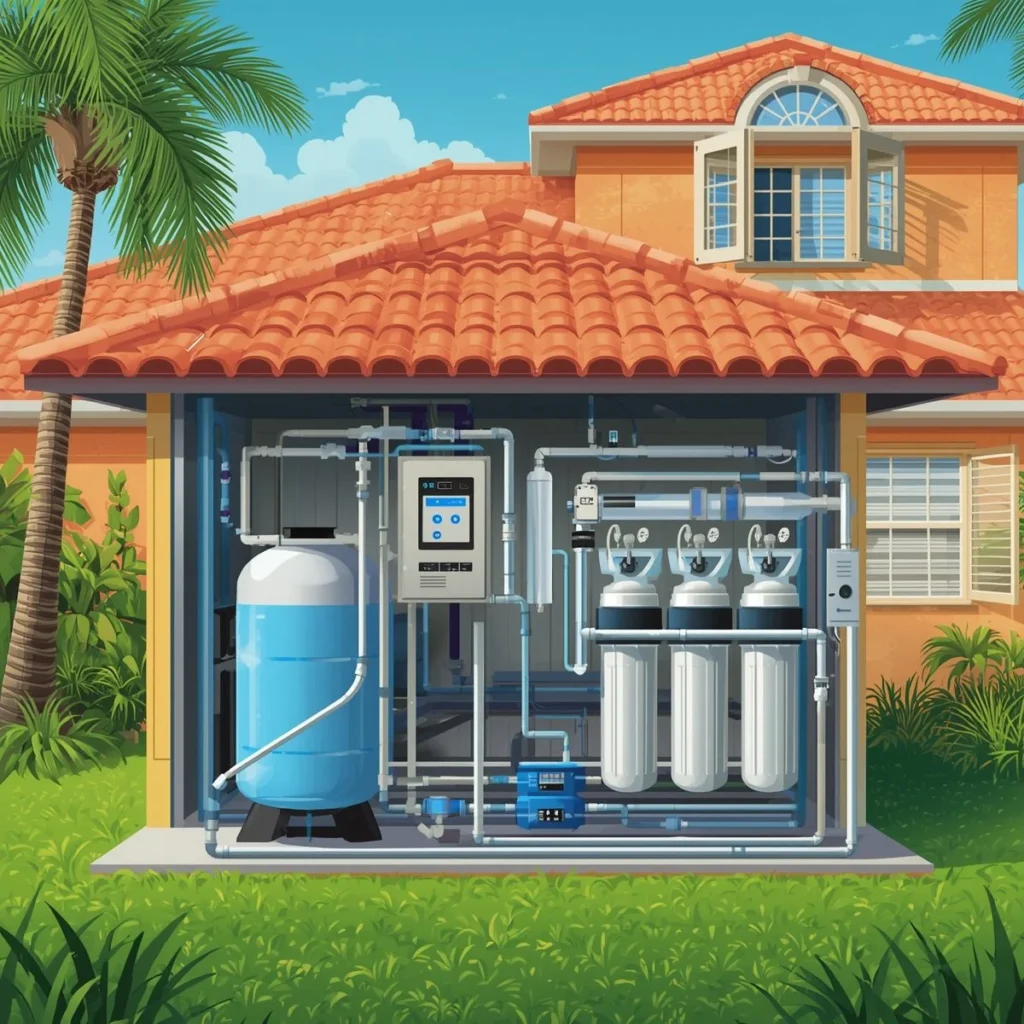
Whole-home water filtration systems work very differently. Instead of treating only the water you drink, they improve the water flowing throughout the entire house.
That means cleaner water for showers, laundry, dishwashing, cooking, and every faucet connected to your plumbing system. Depending on the design, these systems can reduce sediment, chlorine, unpleasant odors, and other unwanted substances before the water even reaches your taps.
For families who use water constantly throughout the day, treating the entire household supply often provides a noticeable improvement in both convenience and overall water quality.
Hard Water Doesn’t Just Leave Spots
Hard water has a reputation for leaving white residue on sinks and shower doors, but that’s only part of the story.
Those same minerals gradually collect inside water heaters, dishwashers, washing machines, and plumbing lines. Appliances often need more energy to operate efficiently, while soap struggles to lather properly. Clothing may feel stiff after washing, and dishes sometimes come out looking cloudy instead of sparkling clean.
That’s where water softener systems become valuable. By reducing calcium and magnesium—the primary minerals responsible for hardness—they help minimize scale buildup throughout the home’s plumbing.
Many homeowners notice softer towels, easier cleaning, improved appliance efficiency, and even smoother-feeling skin after installing the right softening equipment.
It’s one of those improvements that quietly makes everyday life just a little more enjoyable.
When Drinking Water Is the Main Priority
Sometimes homeowners are perfectly satisfied with the water they shower in but want cleaner, better-tasting drinking water.
In those situations, reverse osmosis systems are often considered one of the most effective options available. These systems use a specialized membrane that removes many dissolved impurities that ordinary filters simply can’t capture.
The result is water that’s commonly used for drinking, cooking, coffee, tea, baby formula, and even ice makers.
People often describe the taste as crisp, fresh, and noticeably cleaner. While taste preferences are personal, many families quickly discover they drink more water simply because they enjoy it more.
For households focused primarily on drinking water quality, reverse osmosis remains one of the most trusted technologies available.
Maintenance Matters More Than Most People Expect
Installing a treatment system isn’t something you do once and forget forever.
Filters eventually fill with contaminants. Water softeners require occasional maintenance and salt replenishment. Reverse osmosis membranes need replacement according to manufacturer recommendations.
Fortunately, these maintenance tasks are usually straightforward and predictable.
Staying on schedule helps equipment perform efficiently while protecting the investment you’ve already made. Skipping maintenance, on the other hand, gradually reduces effectiveness and may shorten the life of the system.
Think of it the same way you’d think about changing the oil in your car—small maintenance prevents much larger problems later.
Better Water Is About Everyday Comfort
One thing people rarely mention before upgrading their water is how many small improvements add up over time.
Coffee tastes cleaner.
Soap rinses away more easily.
Glassware sparkles.
Showers feel more refreshing.
Fixtures stay cleaner longer.
None of these changes are dramatic on their own, but together they create a home that’s simply more comfortable to live in.
It’s easy to overlook water because it’s always there. Yet when its quality improves, people often realize how much they had quietly adapted to before making the change.
Final Thoughts
Every home deserves water that’s dependable, clean, and suited to the people who use it every single day. The smartest approach isn’t buying the most expensive equipment or following the latest trend—it’s understanding your water first and choosing solutions that genuinely match your needs.
Whether your goal is protecting appliances, improving drinking water, reducing hard water issues, or simply enjoying fresher water throughout your home, the right treatment system can make a meaningful difference for years to come.
Good water doesn’t happen by accident. It’s the result of informed decisions, routine maintenance, and choosing solutions based on facts rather than assumptions. When you start there, cleaner water becomes more than a household upgrade—it becomes part of a healthier, more comfortable way of living.