Why Water Quality Is a Business Priority Today
Water is one of the most important resources in any business, yet it often receives attention only when problems appear. A restaurant may notice changes in beverage taste, a facility manager may see equipment performance dropping, or an office may struggle with inconsistent drinking water quality.
These issues might seem small at first, but they can affect daily operations, expenses, and customer experiences over time. Water flows through many parts of a commercial property, and its quality can influence everything from plumbing systems to production processes.
As businesses become more focused on efficiency and reliability, many are realizing that better water management is not just a maintenance decision. It is a smart investment that supports smoother operations and long-term success.
The Hidden Effects of Poor Water Quality
Water naturally contains minerals, salts, and dissolved substances from its source. While some elements are harmless, excessive levels can create challenges for commercial environments.
Minerals may leave deposits inside pipes and equipment. Certain dissolved materials can affect taste, appearance, and overall water performance. In industries where water plays a direct role in products or services, these issues can become even more important.
For example, restaurants rely on consistent water quality for cooking, cleaning, and beverages. Manufacturing facilities may need precise water conditions for their processes. Healthcare businesses require dependable water standards to maintain proper hygiene.
Ignoring these concerns can lead to increased maintenance costs and reduced efficiency. Small problems today may become larger operational challenges in the future.
The Role of Commercial Water Filtration
Every business has different water requirements. A small office and a large industrial facility cannot always use the same approach. Understanding those differences is the first step toward creating an effective solution.
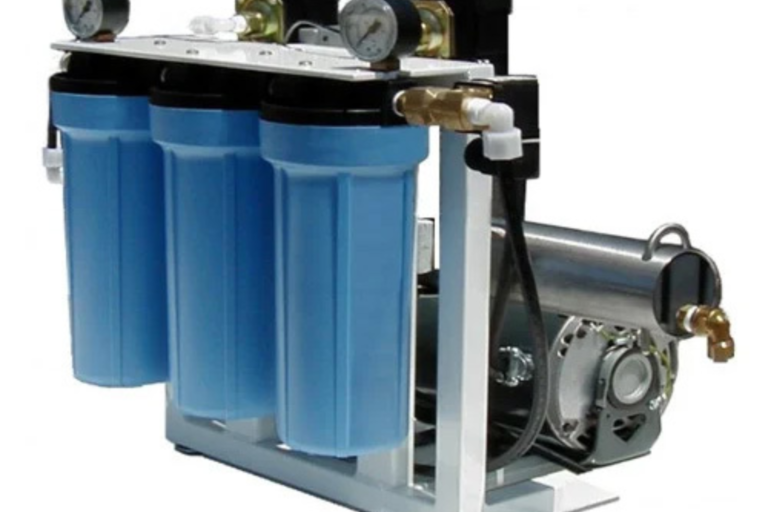
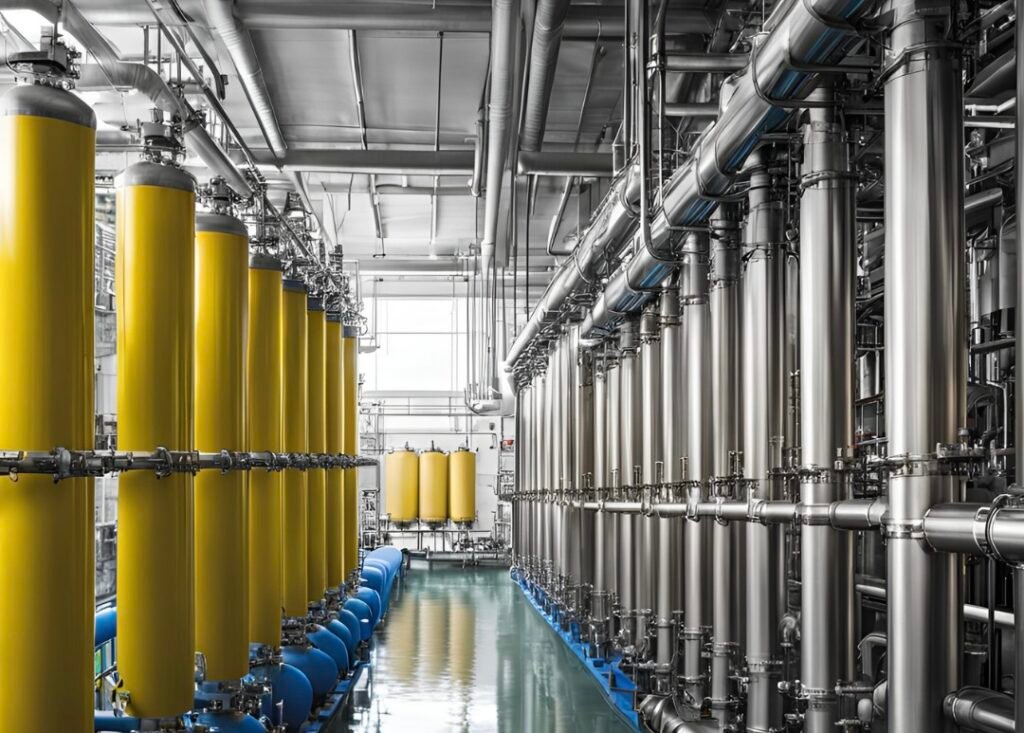
Commercial water filtration helps businesses improve water quality by targeting unwanted particles, sediments, and other impurities that may affect performance. These systems are designed to handle higher usage levels compared to typical residential filters.
The benefits go beyond cleaner water. Better filtration can help protect equipment, improve processes, and provide a more consistent experience for employees and customers.
A well-designed filtration system works quietly in the background, helping businesses maintain better standards without interrupting daily activities.
Understanding Dissolved Solids in Water
One of the important factors in water quality is the level of dissolved solids. These include minerals, salts, and other substances that are naturally present in water.
While some dissolved solids are normal, high levels can affect taste, equipment efficiency, and certain business applications. For example, water with excessive dissolved solids may create challenges for food preparation, beverage quality, or specialized manufacturing processes.
Advanced purification methods can help reduce dissolved solids and improve overall water consistency. By managing these elements, businesses can achieve cleaner water that better matches their operational needs.
The goal is not to remove everything from water unnecessarily. Instead, it is about creating the right balance for the specific application.
How Modern Technology Improves Water Treatment
Water treatment technology has changed significantly over the years. Today’s systems are more efficient, reliable, and customizable than ever before.
Many advanced systems use innovative methods to improve purification performance. Advanced membrane technology is one example of how modern solutions help separate unwanted substances from water while maintaining efficiency.
This technology plays an important role in processes such as reverse osmosis, where water passes through specialized membranes designed to filter out certain contaminants and dissolved materials.
For businesses, these improvements mean better control over water quality and more reliable results.
Protecting Equipment and Reducing Business Costs
Commercial equipment represents a major investment. Whether it is kitchen appliances, industrial machinery, or specialized systems, businesses depend on these tools working properly every day.
Poor water quality can slowly affect equipment performance. Mineral buildup and impurities may increase maintenance needs and reduce efficiency.
By improving water quality, businesses can help extend equipment lifespan and reduce unexpected repair expenses. Preventive water management often costs less than dealing with repeated failures.
It’s similar to maintaining any valuable asset. A little attention early can prevent much bigger problems later.
Improving Customer and Employee Experiences
Water quality also affects the people who interact with a business.
Customers expect clean facilities, fresh beverages, and reliable service. Employees appreciate access to better drinking water during their workday.
A hotel guest may notice better-tasting water in their room. A restaurant customer may enjoy improved beverage quality. These small details contribute to a stronger overall impression.
Businesses that focus on quality in every area often build greater trust with the people they serve.
Choosing the Right Water Solution
Selecting the right filtration system requires understanding the unique needs of a business. Factors such as water source, daily usage, industry requirements, and future plans should all be considered.
Professional evaluation can help identify the most suitable approach. Instead of choosing equipment based on assumptions, businesses can invest in solutions designed for their actual challenges.
Regular maintenance is also essential. Even the best systems need proper care to continue performing effectively over time.
A Better Future Starts With Better Water
Water quality may not always be visible, but its impact reaches almost every part of a business. From protecting equipment and reducing costs to improving customer satisfaction, better water management creates real value.
Companies that take water seriously today are better prepared for tomorrow’s challenges. A reliable filtration strategy is more than a technical upgrade — it is a foundation for cleaner operations, improved efficiency, and lasting success.
Sometimes the improvements that matter most are the ones happening quietly behind the scenes. Better water is one of them.