
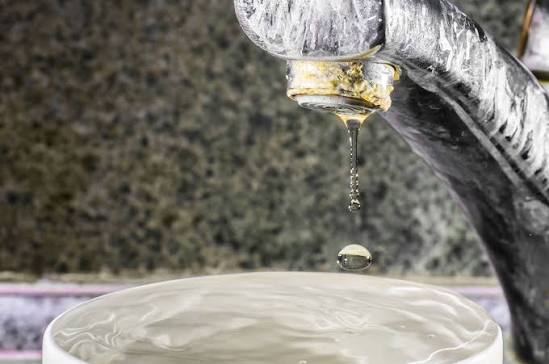
There’s a certain frustration that comes with cleaning something repeatedly, knowing it’ll probably look dirty again within a few days. Shower doors develop cloudy patches, kitchen faucets collect white deposits, and the kettle needs descaling more often than you’d like.
If this sounds familiar, your cleaning routine might not be the problem. Your water could be responsible.
Many homeowners looking to reduce hard water scale with softening discover that addressing mineral concentrations directly is more practical than constantly removing stubborn deposits.
Hard water is a common household concern, particularly in areas where groundwater naturally collects calcium and magnesium. Although these minerals aren’t generally harmful simply because they contribute to hardness, their effects can become inconvenient and expensive over time.
Fortunately, there are practical ways to manage the problem without completely changing your household routine.
Understanding What Causes Those Stubborn White Deposits
Water picks up dissolved minerals as it travels through underground rock formations and surrounding soil. Calcium and magnesium are the main contributors to water hardness.
When water evaporates, these minerals can remain behind, creating the chalky residue commonly found around faucets, sinks, and showerheads.
Heat can make certain scale-related problems more noticeable. Kettles, coffee machines, and water heaters may accumulate mineral deposits internally, where they’re much harder to see.
That’s what makes hard water particularly frustrating. You might clean every visible surface in your kitchen without realizing that deposits are gradually forming inside your appliances.
Over time, excessive accumulation may interfere with equipment efficiency and increase maintenance requirements.
Removing existing deposits can provide temporary relief, but managing the minerals responsible for them offers a more lasting approach.
Finding a Treatment Method That Actually Works
There’s no shortage of products claiming to address hard water. Some promise easier cleaning, while others focus on protecting plumbing or improving laundry results.
When exploring water softening solutions, it’s worth understanding how different technologies work and what they can realistically accomplish.
Traditional salt-based softeners use ion exchange to reduce dissolved calcium and magnesium. Specialized resin beads capture hardness ions and exchange them for sodium or potassium ions.
The equipment periodically regenerates to restore its treatment capacity.
Salt-free conditioners work differently. Instead of removing hardness minerals, they’re generally designed to manage scale formation under suitable conditions.
If your primary concern involves soap performance, mineral deposits, and genuinely softer water, conventional ion exchange treatment may be the more suitable option.
Choosing between available technologies becomes easier once you understand their differences.
Why Testing Your Water Should Come First
Those familiar white marks around bathroom fixtures can provide useful clues, but they don’t tell you exactly how hard your water is.
Testing your home’s hardness levels helps establish the concentration of dissolved minerals and provides valuable information when selecting appropriately sized treatment equipment.
Hardness is commonly expressed in milligrams per liter as calcium carbonate or grains per gallon.
Understanding these measurements allows you to compare your water conditions with equipment specifications more accurately.
Municipal water reports may provide general information about the incoming supply. However, private well owners should consider property-specific testing, including additional laboratory analysis where appropriate.
The last thing you want is to invest in expensive equipment that doesn’t suit your requirements.
A relatively simple test can save considerable guesswork and help you make a more confident purchasing decision.
Protecting Appliances From Unnecessary Mineral Accumulation
Think about how many appliances in your home depend on water. There’s the washing machine, dishwasher, water heater, coffee maker, and possibly several others.
Replacing these items isn’t cheap, which makes preventative maintenance particularly worthwhile.
Reducing water hardness can help limit future mineral accumulation inside connected equipment. This may reduce certain scale-related maintenance problems and support more dependable operation.
However, installing a softener doesn’t instantly remove every existing deposit.
Older appliances may still require appropriate cleaning or professional servicing to address previous accumulation.
Follow equipment manufacturers’ maintenance recommendations and consider water treatment as part of a broader approach to protecting your household investments.
Choosing Equipment That Fits Your Everyday Routine
A water softener should work quietly in the background, not become another complicated household responsibility.
Before purchasing equipment, consider your average water consumption, available installation space, incoming water pressure, and expected peak demand.
Larger households may require greater treatment capacity, while smaller properties might benefit from a more compact arrangement.
Ask about regeneration frequency, salt consumption, wastewater production, and servicing expenses.
These details might seem relatively unimportant during the initial purchase, but they can influence ownership costs for years.
Also, consider whether outdoor faucets genuinely need softened water. Keeping irrigation supplies separate, where practical, may prevent unnecessary treatment and regeneration expenses.
Keeping Your Water Softener Working Effectively
Routine maintenance is an important part of owning water treatment equipment.
Check regeneration supplies regularly and follow manufacturer recommendations. If mineral deposits begin returning unexpectedly, investigate whether the equipment is operating correctly.
Salt bridging, incorrect settings, or deteriorating components can sometimes reduce treatment effectiveness.
Periodic water testing can help confirm that the system continues delivering the expected results.
Remember that softening addresses hardness rather than every possible water quality concern. Separate drinking water filtration may be appropriate depending on your water composition and personal requirements.
Making Everyday Life a Little Easier
The benefits of softer water often become apparent through ordinary moments. Washing dishes feels less frustrating, bathroom cleaning becomes more manageable, and mineral deposits accumulate less quickly.
These improvements may not seem particularly exciting, but they add up.
Start with reliable testing, select equipment that suits your household, and maintain it consistently.
Your home should be somewhere you enjoy spending time, not somewhere you’re constantly battling the same maintenance problems.
And if better water treatment means reclaiming part of your weekend from scrubbing shower doors and descaling appliances, that’s a practical improvement worth appreciating.