
Cloudy Water and Rotten Egg Smells? Here’s What Your Water Might Be Trying to Tell You
Let’s set the scene: you’ve just installed a brand new water heater. Everything’s hooked up. Pipes tightened. It hums quietly in the background, doing its thing. You twist the hot tap, expecting a satisfying stream of crystal-clear water… but instead, it’s cloudy. Murky, almost. You stare into the glass, swirl it a bit, and wonder — Did I mess something up?
Nope. You’re not alone.
New water heater cloudy water is one of those things no one warns you about, but nearly everyone experiences. It’s frustrating at first — after all, you just paid for an upgrade. But most of the time, the fix is simple, and the reason’s not as alarming as the water looks.
First, Let’s Talk About Cloudy Hot Water
So, what’s going on when your fresh-from-the-factory water heater seems to produce milky water?
The likely culprit: air.why does my cold water smell like rotten eggs
When your water heater fills up for the first time and starts heating, it can stir up sediment, trap small amounts of air in the system, and release dissolved gases as the water warms. The result? Cloudy water — but it’s not dangerous. If you pour a glass and let it sit, you’ll see it clear up from the bottom up in less than a minute. That’s just microbubbles escaping. Kind of like a reverse snow globe.
Still, if it doesn’t clear up or starts to leave residue, you might be dealing with something a bit more serious, like mineral sediment or pipe corrosion. But for most people? It’s just the system adjusting.
And Then… That Smell Hits
Now here’s where things get even weirder. You’ve dealt with cloudy water, but then, somewhere along the line — maybe in the bathroom, or when filling a kettle — you catch a whiff of something foul. Like sulfur. Or, more accurately, like rotten eggs.
This smell tends to linger, especially when the water’s warm. You might ask yourself, “Did something die in my plumbing?” But no, nothing’s decomposing in your pipes. The real reason is chemical — and actually pretty common.
So, why does my sink water smell like rotten eggs?
Short answer: sulfur-reducing bacteria.
These microbes naturally exist in groundwater and plumbing systems, especially in well water setups. When they react with magnesium or aluminum anodes inside your water heater (which are there to prevent corrosion), they can release hydrogen sulfide gas — the stuff that smells like spoiled eggs. And yep, it’s stronger in hot water, because heat releases the gas more quickly.
It’s Not Just Your Sink — Even Bottled Water Can Smell Funky
Here’s something that surprises a lot of people: sometimes, even that pristine-looking bottled water can give off a faint sulfuric smell when opened.
And you guessed it — bottled water smells like rotten eggs for many of the same reasons. It could be due to trace amounts of sulfur compounds present from the source, or it might’ve been exposed to high temps during storage, releasing those gases that were trapped under pressure.
That doesn’t always mean the water’s unsafe — many bottled water brands source from natural springs, where mineral content (including sulfur) is naturally high. But if the smell’s strong, persistent, or backed by a strange taste? Toss it.
What Can You Do About It?
Whether you’re dealing with cloudiness or odor, here are a few straightforward things you can try:
- Flush your water heater: Especially if it’s new. This helps remove trapped air and any sediment that stirred up during installation.
- Replace the anode rod: If the smell persists, consider switching to a zinc or aluminum-zinc anode, which bacteria dislike far more than magnesium.
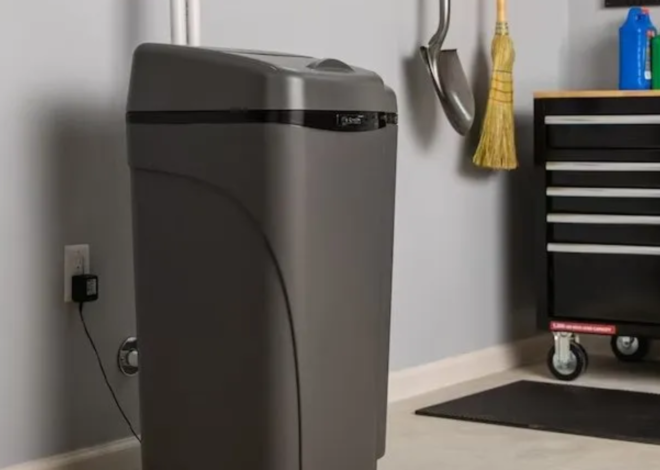
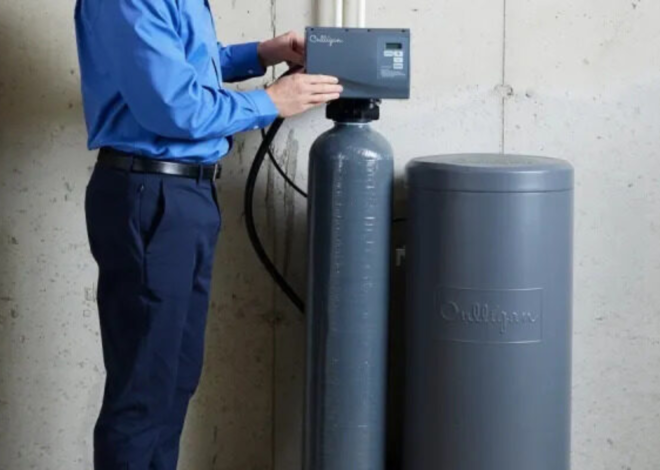
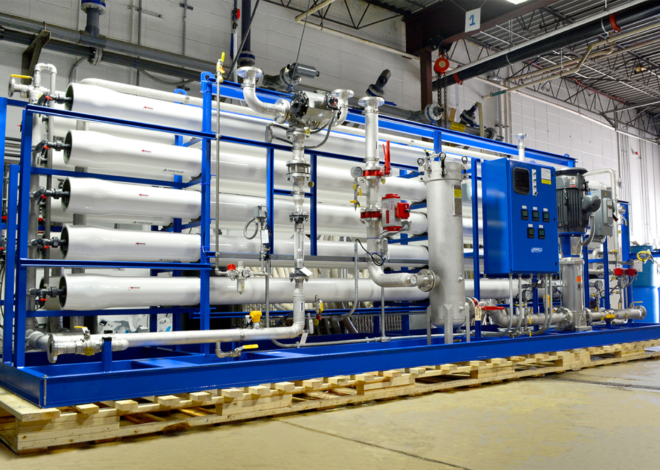
- Install a whole-house water filter: These can help cut down on sulfur, iron, and other mineral content that affect water quality.
- Let the water run: Sometimes, stagnant water can develop odor. Letting it run for 30 seconds helps flush the line and refresh the supply.
- Use activated carbon filters: Faucet or under-sink filters with carbon can neutralize odors right at the point of use.
When Should You Call in a Pro?
If your water:
- Smells very strong
- Leaves stains or particles
- Doesn’t clear up after sitting
- Or starts affecting your appliances (think: scale buildup, rust, etc.)
…it’s time to get a professional opinion. A plumber can check your heater, inspect your pipes, and even do water testing to pinpoint exactly what’s going on.
Sometimes, it’s a simple fix. Other times, you may need a more comprehensive solution — especially if you’re on a well system or dealing with older plumbing.
A Personal Note
We tend to expect water to be simple — clear, tasteless, and scent-free. So when it looks cloudy or smells bad, it throws us. But more often than not, it’s fixable. And weird as it sounds, your water might just be adjusting — like new shoes that need to be broken in.