Everything You Need to Know About T Profiles and T Patti in Modern Interior Design and Construction
Paragraph Description:
T profiles and T pattis are essential architectural and interior design components used in both commercial and residential construction. Their role in achieving clean joints, finishing edges, and enhancing the aesthetic appeal of various materials makes them indispensable. From aluminum to stainless steel and even PVC, these versatile profiles are used in walls, ceilings, and flooring applications to deliver both function and style.
Introduction
When it comes to the finishing touches in construction and interior design, few components offer both form and function like T profiles and T pattis. These slim yet strong strips are used to connect, decorate, or transition different surfaces—making them an aesthetic as well as practical choice. Whether you’re an architect, interior designer, or a homeowner undertaking a renovation, understanding the use of T profiles and T patti can help ensure a high-quality and visually pleasing finish.
What Are T Profiles?
T profiles, often made of stainless steel, aluminum, or even brass, are shaped like the letter “T” when viewed from the cross-section. This unique shape provides stability, seamless transitions, and a decorative finish between tiles, marbles, or other surface materials. They are mostly used in flooring systems to hide expansion gaps or join different types of flooring materials such as tiles and wood.
T profiles are also widely used in ceiling designs, partition walls, and glass structures to create a continuous and uniform appearance. Thanks to their sturdy design and easy installation, they’re ideal for projects that demand precision and durability.
T Patti: The Sleek Finishing Strip
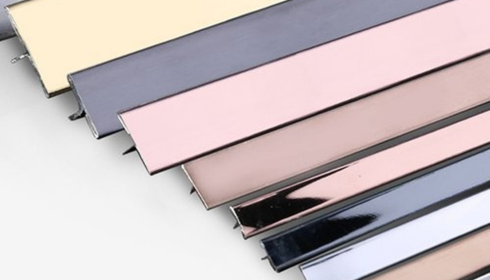
T patti is essentially a flat, thin strip often used for aesthetic borders, skirting, or transition finishes. These pattis are commonly found in modular furniture, cabinets, doors, and ceilings. Available in materials like stainless steel, aluminum, and PVC, T pattis add a sleek metallic finish to joints and edges. They come in a range of sizes and finishes—mirror, matte, brushed, gold, rose gold, and black—to complement a wide variety of design themes.
In addition to visual appeal, T pattis protect the surface edges from wear and tear, moisture, and impacts, thereby increasing the longevity of the interior surfaces they adorn.
Applications of T Profiles and T Pattis
- Flooring Joints:
Whether it’s tile-to-tile or tile-to-wood transition, T profiles and pattis help cover expansion gaps while giving a neat appearance. - Ceiling Designs:
T pattis are used in false ceilings to create elegant patterns and hidden lighting channels. Their reflective surfaces can enhance the ambiance of a room. - Wall Paneling and Cladding:
These profiles offer a tidy finish where two panels meet or where there’s a need to hide joints without compromising the visual appeal. - Furniture and Cabinets:
T pattis are often added to cabinetry and modular kitchen designs to offer a high-end finish and functional durability.
Material Options and Finishes
Choosing the right material for your T profile or T patti depends on both function and design preference. For high-traffic or moisture-prone areas, stainless steel is a popular choice due to its anti-corrosive properties. Aluminum offers lightweight strength and is easier to handle. PVC options, while not as durable, are cost-effective for less demanding applications.
Designers now prefer mirror and matte finishes to complement modern interiors. Black and rose gold finishes have become increasingly trendy, especially in luxury homes and boutique commercial spaces.
Why They’re a Smart Choice
- Durability: Resistant to rust, wear, and impact
- Aesthetic Appeal: Wide variety of finishes and designs
- Functionality: Covers gaps and gives seamless transitions
- Cost-Effective: Especially in bulk orders or modular projects
Conclusion
Whether you’re constructing a new space or remodeling an old one, T profiles and T patti offer unmatched value in aesthetics, functionality, and durability. These small yet impactful components can elevate the overall finish of your interior or architectural project, proving that sometimes the smallest details make the biggest difference.