How to Tell If Your Water Is Hard (Without a Lab Coat or a Science Degree)
Ever noticed cloudy spots on your glasses right after they come out of the dishwasher? Or maybe your shampoo just refuses to lather up in the shower like it used to? Little everyday annoyances like these might seem harmless, but they could be pointing to something lurking in your pipes: hard water.
And trust me, it’s more common than you’d think.
Hard water doesn’t mean your water is dangerous. It just means it’s carrying a heavier load—mainly minerals like calcium and magnesium. These minerals aren’t bad for you health-wise, but they sure know how to stir up household chaos.
So let’s walk through it—how to tell if water is hard, why it matters, and what you can do about it (without going broke or pulling your hair out).
It Starts With the Soap
One of the easiest ways to spot hard water? Pay attention to your soap. Whether it’s hand soap, body wash, shampoo, or dish soap—if it feels like you’re using a ton and still not getting that satisfying sudsy foam, your water might be hard.
That’s because those minerals in hard water interfere with soap’s ability to lather. Instead of bubbles, you get residue. It’s kind of like trying to wash your dishes with lotion. Everything feels a bit… off.
Wondering how do you know if you have hard water for sure? Try this: fill a clear bottle with water, add a few drops of liquid soap, shake it like you’re making a cocktail—and then wait. If the water stays murky or has barely any bubbles, you’ve probably got hard water on your hands.
Telltale Signs Around the House
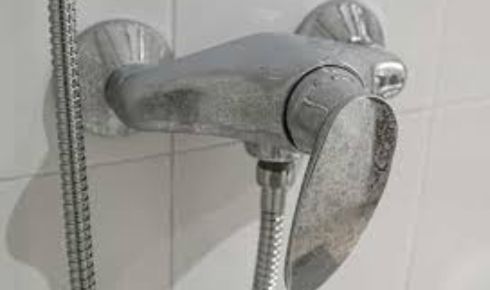
Still not sure? Just take a look around your home. Your faucets and showerheads can be dead giveaways. Hard water leaves behind white, crusty deposits—commonly known as limescale. Over time, those minerals build up and start choking your fixtures, dulling your finishes, and turning everything into a cleaning nightmare.
Now, here’s how to know if I have hard water without even testing it: check your glassware. If your glasses look cloudy or streaky after washing—even with a rinse aid—you’re likely dealing with mineral residue. Same goes for your bathroom mirror, tiles, and even your car if you wash it at home.
And don’t even get me started on laundry. Clothes can fade faster, feel stiffer, and even develop a dingy tint. Detergent doesn’t work as well in hard water, so you end up using more and getting less. It’s like flushing money down the drain—literally.
Dry Skin and Straw-Like Hair? Yeah, That’s a Clue Too.
Another way to sniff out hard water is to pay attention to how your skin and hair feel. Hard water doesn’t rinse soap or shampoo away easily, so it leaves a film on your body. You step out of the shower feeling less “clean and refreshed” and more “dry and tight.”
And if your hair feels brittle, lifeless, or frizzy no matter what conditioner you throw at it—surprise, it could be the water.
People often spend a fortune on skincare and haircare trying to fix problems that really start at the faucet. It’s not always your products; sometimes it’s just the minerals clinging to your scalp.
Hard Water vs. Your Appliances: A Slow War
Let’s talk about what hard water does behind the scenes—where you don’t see it. Water heaters, washing machines, dishwashers… they all suffer in silence. Over time, mineral buildup coats the internal parts, making them work harder and wear out faster.
You might not notice it right away, but if your energy bills are creeping up or your appliances seem to be on a downward spiral, hard water could be the hidden villain.
It’s like plaque in arteries—it slows everything down and causes strain until something breaks. Not good.
So, What Can You Do?
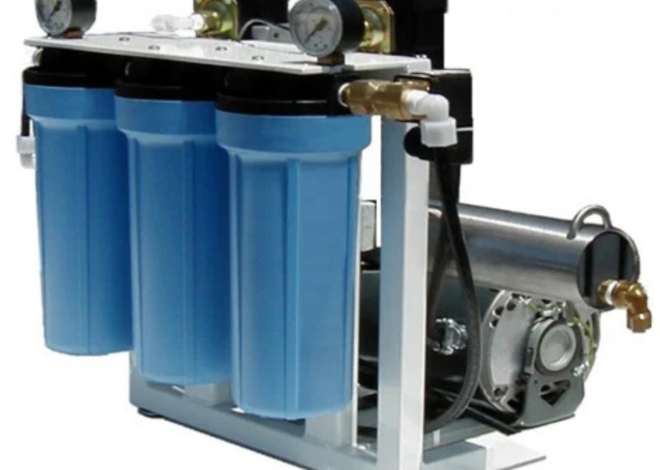
The good news? Hard water is fixable. You don’t need a chemistry degree, just the right system.
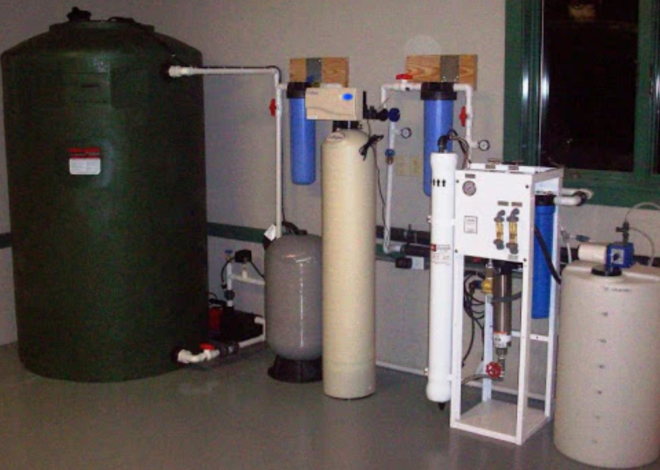
Water softeners are the go-to solution. They replace those pesky calcium and magnesium ions with something gentler—like sodium or potassium. The result? Softer water that plays nice with soap, appliances, and your skin.
There are salt-based and salt-free options, compact systems for smaller homes, and larger setups for big families. Just make sure you know your water hardness level before choosing. You can grab a test kit online, or better yet, call in a local water expert to check it out.
Is It Worth It?
Short answer: yes.
Think about it—softer water means fewer plumbing repairs, longer appliance life, better skin, shinier hair, and cleaner everything. You’ll use less detergent, less soap, and less elbow grease.
Over time, it saves you real money. And it saves you from little frustrations that chip away at your day.
Final Thoughts: Don’t Ignore the Signs
Hard water isn’t dramatic. It doesn’t come with warning sirens or emergency alerts. But it leaves its mark—in your kitchen, your bathroom, your laundry room, and even your mirror.
So next time you catch yourself wondering why your hands feel dry after washing dishes, or why your coffee maker seems slower than usual, take a second look. The answer might be right there in your water.
Because once you know how to tell if water is hard, and how to fix it, you’ll wonder why you waited so long to take action.