Is Your Tap Water Truly Safe? Let’s Talk About What You Might Be Missing
I’ll be honest—until a few years ago, I didn’t give a second thought to the water coming out of my tap. It looked clean. It tasted… fine, I guess. And that was that. But the more I learned, the more I realized just how much was hidden beneath the surface—chemicals, minerals, bacteria, even heavy metals that aren’t visible to the naked eye. If you’re someone who genuinely cares about what’s going into your body and your home, then understanding what’s in your water isn’t optional anymore—it’s essential.
Let’s dive in, no puns intended.
The Illusion of “Clear” Water
We often assume that clear water equals clean water. It’s a comforting illusion, isn’t it? If there’s no smell, no tint, and no funky taste, we call it “safe.” But the truth is, clarity tells you very little. Municipal water treatment systems do a decent job—no doubt. But “decent” isn’t the same as ideal.
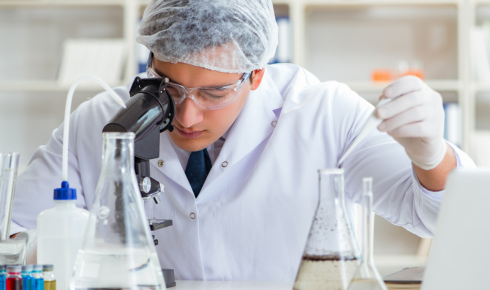
What if your water has trace amounts of lead? What about chlorine, pesticides, or nitrates? These contaminants won’t raise red flags just by looking at the water. That’s why comprehensive water testing is the first step to peace of mind. It’s not about being paranoid. It’s about being informed. A good test will check for pH balance, heavy metals, bacteria, hardness, and more. And once you know what you’re dealing with? Then the real solutions can begin.
Let’s Talk About Hard Water—Yes, It’s a Real Thing
“Hard water” sounds like some made-up marketing term, but it’s very real and surprisingly common. It refers to water that’s high in minerals like calcium and magnesium. And while that might sound healthy (we all need minerals, right?), the problem isn’t what it does to your body—it’s what it does to everything else.
Ever notice chalky residue on your faucets? Or that your shampoo doesn’t lather like it used to? Maybe your laundry feels stiff, even fresh out of the wash. That’s hard water doing its thing. Over time, it clogs pipes, wears down appliances, and leaves your skin and hair feeling dry and dull.
The good news? There are real, proven solutions. The right treatment for hard water—like installing a water softener or using specialized filtration systems—can make a dramatic difference. Not just in how your home runs, but how you feel every day.
What Soft Water Really Feels Like (And Why You’ll Never Go Back)
If you’ve never experienced soft water, it’s hard to explain. Your skin feels smoother. Your dishes come out cleaner. Your clothes are softer. It’s one of those small changes that makes a huge difference, like switching from regular to memory foam pillows.
But the soft water benefits go beyond comfort. Soft water helps extend the life of your plumbing, reduces your energy bills (because appliances run more efficiently), and even lets you use less soap and detergent. It’s not just about luxury—it’s about long-term savings and sustainability.
Plus, let’s be honest: showers just feel better. You come out actually feeling clean, not like you just wrestled with a bar of soap that wouldn’t cooperate.
Hidden Health Impacts You Might Not Know About
Let’s circle back to the invisible stuff. Contaminants like lead, arsenic, and VOCs (volatile organic compounds) don’t just affect taste—they affect your health. Long-term exposure, even in low doses, can contribute to everything from hormonal disruptions to neurological issues. It’s not fear-mongering. It’s science.
And while bottled water might seem like a convenient fix, it’s not a sustainable or reliable one. Besides being expensive and environmentally harmful, bottled water is still often just filtered tap water—sometimes less regulated than municipal supplies.
Taking control of your home’s water quality is one of the most underrated wellness moves you can make. Think of it like eating clean. You wouldn’t ignore the ingredients in your food—so why ignore what’s in your water?
Real-Life Benefits: It’s Not Just Hype
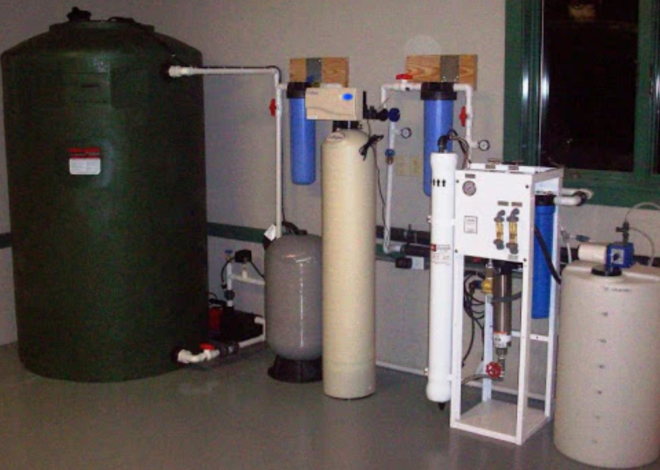
I remember when my neighbor installed a reverse osmosis system combined with a water softener. She went from constantly replacing her kettle (hello, limescale!) to not having a single mineral deposit for over a year. Her skin cleared up. Her hair was less frizzy. Even her dog stopped scratching as much.
And this isn’t just her story. These kinds of changes are common. When people test their water, treat it accordingly, and invest in the right systems, the results show up fast—and stay long.
Don’t Let Confusion Lead to Inaction
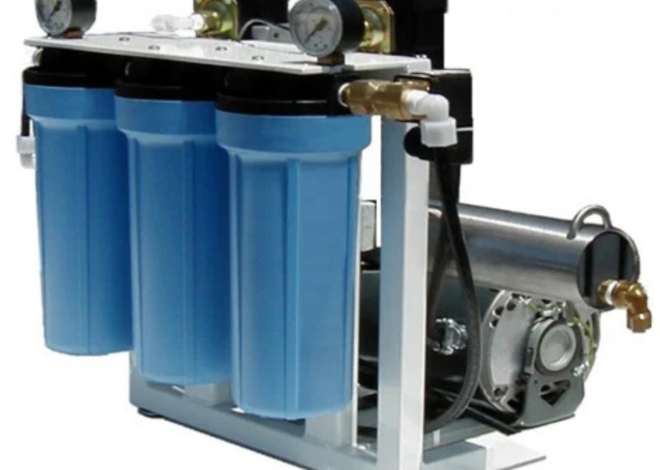
Let’s face it, the water treatment world can be a bit overwhelming. There are carbon filters, reverse osmosis systems, ion exchange softeners, UV purifiers… and every brand claims theirs is the best.
The key is starting with a solid foundation. Do the testing first. Find out what your specific water issues are. Only then can you choose the right setup—tailored to your actual needs, not what someone’s trying to sell you.
You don’t have to become a water chemist. You just have to care enough to ask the right questions.
Wrapping It Up (And Why This Matters)
Water is one of the most basic parts of life—and yet it’s something most of us overlook. Until our skin is dry, our pipes are corroded, or our health takes a hit. But it doesn’t have to get to that point.
Testing your water, understanding its composition, and taking action isn’t overkill. It’s self-care. It’s home-care. It’s future-proofing your health and your wallet.