Rethinking Water at Home: Where Smart Design Meets Everyday Living
Water is one of those things we rarely question. It shows up when we turn the tap, fills the kettle, runs through the dishwasher, and disappears down the drain. Most days, that’s enough. But lately, more homeowners are pausing and asking a different kind of question: could our water systems be working smarter?
Not flashier. Not more complicated. Just smarter.
Because behind the walls of every home sits a network of pipes, valves, heaters, filters—quiet machinery that shapes daily comfort more than we realize. And when that system is thoughtfully designed, you feel the difference without always being able to explain it.
Design That Actually Serves a Purpose
It’s easy to assume water systems are purely functional. Pipes move water. Filters clean it. End of story.
But good engineering doesn’t stop at function. It considers flow rates, efficiency, maintenance access, long-term wear, and user interaction. That’s where innovative design makes a real impact.
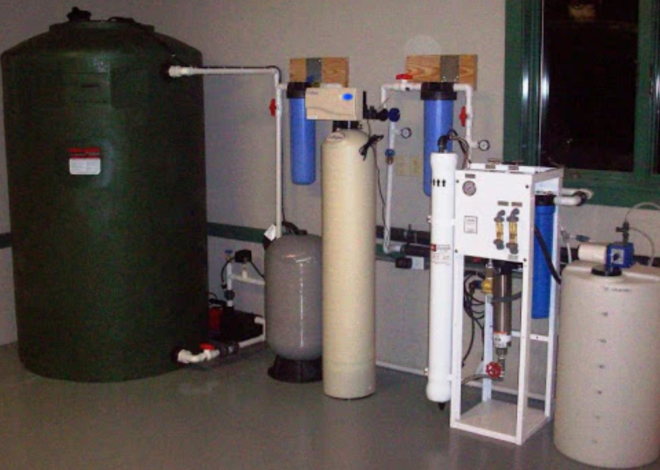
Modern water systems aren’t just boxes tucked into utility rooms. They’re engineered with precision. Digital controls monitor regeneration cycles in softeners. Layered filtration targets specific contaminants instead of taking a one-size-fits-all approach. Some systems even adjust automatically based on household usage patterns.
It’s not innovation for the sake of novelty. It’s innovation that reduces waste, improves consistency, and simplifies ownership.
And honestly, that’s the kind of progress that matters.
The Rise of Smarter Water Thinking
There’s a broader shift happening in how we approach household resources. We track electricity usage. We monitor home security from our phones. We adjust thermostats remotely.
Water is joining that conversation.
With smart water management, homeowners can monitor consumption, detect unusual usage patterns, and even receive alerts about potential leaks. What once required a plumber’s visit can now be flagged early by sensors and software.
Imagine noticing a hidden leak before it causes structural damage. Or adjusting system settings to match seasonal water changes. Or simply having a clearer picture of how much water your household actually uses.
It’s not about turning your home into a science lab. It’s about awareness. And awareness leads to better decisions.
Longevity Matters More Than Trends
Home improvement trends come and go. Shiny appliances. Stylish finishes. New countertop materials.
But water systems? They’re not meant to be trendy. They’re meant to be built to last.
Durability in water treatment equipment isn’t glamorous, but it’s essential. Tanks need to withstand pressure fluctuations. Valves must operate smoothly through thousands of cycles. Filtration media should maintain effectiveness without constant replacement.
When systems are constructed with quality materials and engineered carefully, they quietly serve for years—sometimes decades—with routine maintenance.
Longevity isn’t flashy. But it’s reassuring.
Efficiency Is the New Luxury
There was a time when bigger meant better. Larger tanks. More filtration stages. Maximum capacity at all costs.
Today, efficiency is the real goal.
Overbuilt systems waste water during regeneration cycles. Undersized systems strain to keep up. The sweet spot lies in precision sizing based on actual household needs.
An efficient system minimizes waste while maximizing output. It uses only what it needs. It regenerates at optimal intervals. It filters strategically rather than excessively.
And in the long run, that balance saves money, conserves water, and reduces strain on infrastructure.
Efficiency doesn’t shout. It hums quietly in the background.
Everyday Benefits You Don’t Notice Right Away
When a water system is well-designed and intelligently managed, life simply flows more smoothly.
Showers feel consistent. Appliances operate reliably. Soap lathers easily. Glassware dries without spots. Heating systems perform without scale buildup slowing them down.
These aren’t dramatic transformations. They’re refinements.
It’s the difference between something working adequately and working beautifully.
And often, homeowners only appreciate it when they visit a place where the water isn’t managed as thoughtfully. Suddenly, the chalky residue or metallic taste stands out.
Comfort becomes visible in contrast.
Technology Without Intimidation
One concern people have is complexity. Smart features can sound overwhelming.
But modern systems are designed with user experience in mind. Clear displays. Simple controls. Mobile notifications that are easy to interpret. Maintenance reminders that feel helpful rather than intrusive.
The goal isn’t to turn homeowners into engineers. It’s to provide clarity without friction.
Technology should reduce stress, not create it.
A More Conscious Relationship with Water
At its core, investing in thoughtful water design reflects a deeper awareness.
We rely on water constantly. We assume it will be there, clean and ready. Taking time to optimize how it moves through our homes shows a shift in perspective.
It says we care about longevity. About efficiency. About sustainability.
It’s a practical decision, yes—but also a mindful one.
Final Thoughts
Water will always be part of daily life. That won’t change.
What can change is how intelligently we manage it.
By embracing innovative design, integrating smart water management, and choosing systems built to last, homeowners create environments where water works seamlessly rather than silently causing problems.
And when everything flows as it should—efficiently, reliably, without second thought—you realize something simple but powerful:
The best systems are the ones you rarely notice.
They just work.
And sometimes, that quiet reliability is the most modern feature of all.