
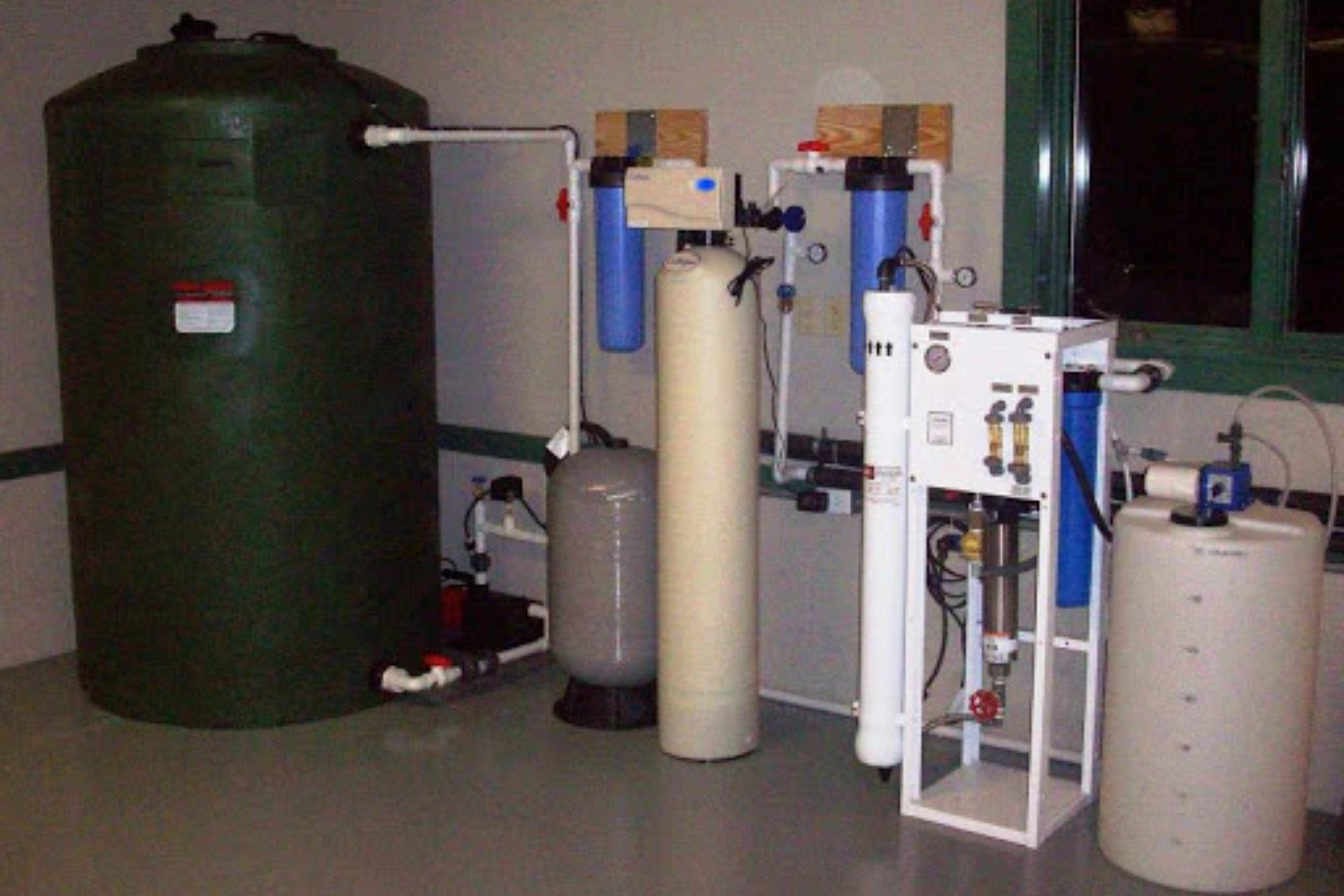
Why Water Quality Isn’t Just About Safety — It’s About Everyday Comfort
Most people think about water quality only when something goes wrong. Maybe there’s a strange taste, a faint smell, or those stubborn white spots on dishes that never seem to disappear. Until then, water tends to fade into the background — just another part of daily life we don’t question.
But once you start paying attention, you realize water quality affects far more than just drinking. It shapes your home environment in subtle ways — how your skin feels after a shower, how long appliances last, even how comfortable cooking and cleaning can be.
It’s one of those quiet details that, when improved, makes everything else feel a little easier.
The Taste and Smell That Most People Accept
Have you ever filled a glass from the tap and noticed that faint chemical smell? It’s not always strong — sometimes it’s barely there. But once you notice it, it’s hard to ignore.
That smell often comes from chlorine, a disinfectant widely used to make municipal water safe. While it plays an important role in preventing bacterial growth, it can also leave behind an aftertaste that many people find unpleasant.
This is why homeowners often look for ways to eliminate chlorine from their household water supply. Removing it doesn’t just improve taste — it can also reduce skin dryness, protect plumbing fixtures, and make water feel more natural to use.
Once chlorine is reduced, people often notice something interesting: they begin drinking more water simply because it tastes better.
The Hidden Effects of Hard Water
Then there’s the issue of hardness — something many people don’t even realize they’re dealing with.
Hard water contains dissolved minerals like calcium and magnesium. These minerals aren’t harmful to health, but they can create a surprising range of everyday inconveniences.
Soap doesn’t lather as easily. Towels feel stiff after washing. Showerheads clog more quickly. And over time, appliances like water heaters or dishwashers can suffer from mineral buildup.
Managing hardness control becomes less about solving a dramatic problem and more about improving daily comfort. Softer water makes cleaning easier, reduces wear on plumbing systems, and helps appliances perform more efficiently.
It’s the kind of improvement you don’t think about until you experience it — and then you wonder how you ever lived without it.
Water Quality and Skin Comfort
One of the most overlooked impacts of water quality is how it affects the body.
Hard water can leave mineral residue on the skin, which may contribute to dryness or irritation. Chlorinated water can strip natural oils, making hair feel brittle and skin feel tight after bathing.
People often spend years experimenting with skincare products, not realizing the water itself might be part of the issue.
Once water quality improves, many notice that their skin feels softer, hair becomes easier to manage, and showers feel more refreshing rather than drying.
It’s a small change that can make a surprisingly big difference in everyday comfort.
The Emotional Side of Clean Water
There’s also an emotional aspect to water quality that’s easy to overlook.
Water is something deeply tied to our sense of home. It’s part of daily routines — making coffee in the morning, cooking meals for family, filling a glass after a long day.
When water feels clean, reliable, and pleasant to use, it creates a subtle sense of ease. You don’t think about it — and that’s exactly the point.
Having access to fresh clean water isn’t just about safety standards. It’s about confidence. It’s about knowing that something so essential to daily life is dependable and comfortable to use.
How Water Quality Affects Household Efficiency
Better water quality can also have long-term practical benefits.
Appliances last longer when they aren’t constantly exposed to mineral buildup. Plumbing systems require fewer repairs. Cleaning products work more effectively, meaning you may use less soap and detergent over time.
These improvements add up quietly. You may not notice them day by day, but over months and years, they can reduce maintenance costs and extend the lifespan of household systems.
It’s one of those investments that pays off gradually rather than immediately.
Why More People Are Paying Attention
In recent years, there’s been a growing shift in how homeowners think about water.
Instead of simply accepting whatever comes from the tap, more people are testing their water, learning about local conditions, and exploring ways to improve quality.
This shift isn’t driven by fear — it’s driven by awareness. Once people understand how water affects daily comfort, they begin to see it as an opportunity rather than a problem.
Improving water quality becomes part of creating a better living environment overall.
The Balance Between Safety and Comfort
It’s important to remember that most municipal water systems are safe by regulatory standards.
But safety and comfort aren’t always the same thing.
Water that meets minimum guidelines may still contain residual disinfectants, minerals, or trace elements that affect taste, usability, and long-term household efficiency.
Addressing these factors isn’t about correcting a failure — it’s about enhancing quality.
A Quiet Improvement That Changes Daily Life
Perhaps the most interesting thing about improving water quality is how quietly it transforms daily routines.
Dishes come out clearer. Laundry feels softer. Showers become more refreshing. Drinking water tastes more appealing.
None of these changes are dramatic on their own, but together they create a noticeable shift in everyday comfort.
It’s a reminder that sometimes, the most meaningful home improvements aren’t the most visible ones.
Final Thoughts: The Value of Paying Attention to What Flows Through Your Home
Water touches nearly every part of daily life, yet it’s something many people rarely think about until problems arise.
By paying closer attention to quality — not just safety — homeowners can create a more comfortable, efficient, and enjoyable living environment.
Because in the end, good water isn’t just about meeting standards. It’s about how it feels to live with it every single day.

Related Posts
When Your Water Tells a Story: Why Personalised Filtration Matters More Than Ever
When Curiosity Meets the Tap: An Honest Look at Free Water Testing and What It Really Tells You