
Why Water Quality Matters More Than Ever for Restaurants and Commercial Spaces
Water might not always get the spotlight, but in the commercial world—especially in restaurants and hospitality—it quietly plays a starring role. It’s what brews your coffee, cooks your pasta, sanitizes your dishes, and fills every glass handed to your customers. So, when the water isn’t up to par, it’s not just an inconvenience—it’s a business liability.
Let’s take a walk through the importance of high-performing water systems in commercial spaces and why investing in proper equipment and maintenance can save money, time, and reputation.
The Hidden Burden of Hard Water
Hard water isn’t just a minor annoyance. It’s water that’s loaded with minerals like calcium and magnesium. Sure, those are fine in your multivitamins—but in your pipes and appliances? Not so much.
Over time, hard water builds up scale inside plumbing, boilers, and any equipment that uses water. Think of it as cholesterol for your building’s arteries. And just like clogged arteries can lead to a heart attack, mineral buildup can knock your commercial machines out of commission when you need them most.
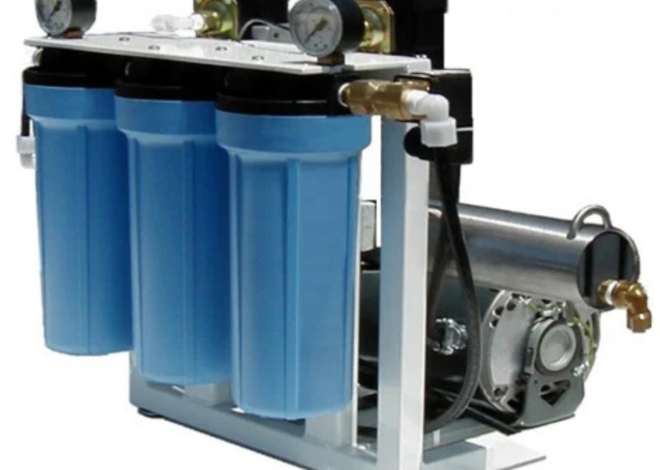
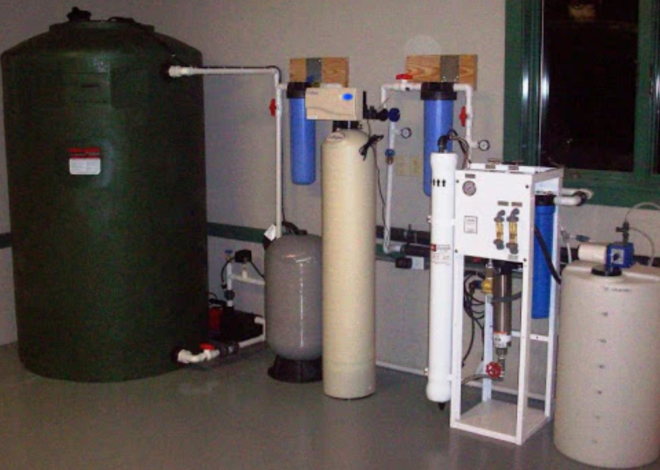
This is where high capacity softeners come into play. These aren’t your run-of-the-mill residential water softeners—they’re designed for serious volume. Think hundreds to thousands of gallons per day. Whether you’re running a bustling hotel, a car wash, or a hospital, these heavy-duty systems ensure soft, clean water keeps flowing without pause. And in many cases, they help extend the life of equipment by years. That’s not just soft water—it’s soft costs.
Scale: The Silent Profit Killer
Let’s say your commercial kitchen has a steam oven, a dishwasher, or an ice machine. Now imagine that those systems are slowly accumulating scale every single day. Over time, they become less efficient. They break down. You’re calling in service reps more frequently. You’re shelling out more money. And all the while, your utility bills are creeping up because those machines are working harder to deliver the same results.
That’s the reality of ignoring commercial scale prevention. The cost isn’t just repair fees—it’s downtime. Imagine your Friday night rush without a functioning dishwasher. Now you’re not just fixing equipment; you’re juggling an operational mess.
Scale prevention systems—like template-assisted crystallization units or advanced filtration setups—are engineered to combat this exact scenario. They treat the water before it ever enters your machines, making sure those minerals don’t get a chance to settle and wreak havoc. It’s a behind-the-scenes hero that pays off every single day.
Why Restaurants Need Better Water, Period.
Here’s a quick test: order a glass of tap water at five different restaurants in your city. Chances are, they’ll all taste slightly different. Some might be metallic, others too chlorinated, and a few may be…just right. What’s the difference? It’s all in the treatment (or lack thereof).
Your restaurant water quality doesn’t just affect taste—it affects everything. From your coffee and tea to your soups, sauces, and ice cubes. Bad water can ruin a dish before it ever hits the table. Even worse? It can make customers question cleanliness and safety standards.
The truth is, savvy diners notice. Whether they say it out loud or not, they’re judging the overall experience—water included. That’s why many restaurants are upgrading their filtration systems, softeners, and reverse osmosis units. Cleaner water means better flavor, better presentation, and better peace of mind.
It’s Not Just the Kitchen—It’s the Whole Building
Restaurants might be the most visible example, but this applies to any commercial building with a water line.
Hotels rely on water softeners to keep linens soft and boilers functional. Schools need quality water for cafeterias and janitorial work. Even office buildings with coffee bars and restrooms benefit from purified, scale-free water. Wherever water flows, quality matters.
One breakdown in a building’s water infrastructure can have ripple effects across departments. That’s why forward-thinking facilities managers don’t just react to water problems—they invest in solutions before the issues show up.
Long-Term Wins (That You Can’t Afford to Miss)
Here’s the big picture: investing in proper water treatment is about long-term savings and operational confidence. Here’s what you gain:
- Lower energy costs – Softened water helps machines run efficiently.
- Reduced maintenance and fewer breakdowns – Because scale buildup is minimized.
- Extended equipment lifespan – Less stress on boilers, dishwashers, ice machines, etc.
- Consistent product quality – Whether it’s food, beverages, or hotel laundry.
- Happier customers and employees – Everyone appreciates good water, even if they don’t realize it.
So, while a water treatment system may not feel glamorous, it’s often one of the smartest infrastructure decisions a business can make.
A Real-Life Example to Consider
Let’s say you’re running a mid-sized restaurant that goes through 500 gallons of water a day between cooking, cleaning, and customer use. Without a softener or scale prevention system, your dishwasher alone may need descaling service every few months, not to mention the eventual risk of full failure. Throw in rising utility bills and subtle quality drops in ice and drinks, and suddenly, your monthly costs are far higher than expected.
Now imagine that same restaurant with a reliable water softening and filtration setup. Your equipment hums along with fewer issues, food and drinks taste consistently better, and you’re not waking up to unexpected repair calls. That’s the difference.
Closing Thoughts: Water Deserves More Credit
In the rush of daily operations, it’s easy to overlook the role water plays in your commercial setup. But the truth is, water quality can make or break a business—not just in how things function behind the scenes, but in how customers perceive the experience.
Whether you’re serving meals, running a hotel, or managing a corporate facility, think of water as a core component of your service quality—not just a utility bill.
Invest in better systems. Protect your equipment. Serve better experiences.
Because when the water’s better, everything is.