
You probably don’t think about the pipes under your feet until something goes wrong. That’s normal. Out of sight, out of mind. Until, of course, your toilet won’t flush, there’s a mysterious gas smell, or your water bill shoots up even though your usage hasn’t changed. Then, suddenly, plumbing becomes your top priority.
Thing is, the parts of your home that hide behind walls or under the ground are often the most important to keep an eye on. Today’s modern tools make it easier than ever to detect problems early and avoid the mess (and the massive repair bill) that comes from ignoring them.
When Gas Plumbing Isn’t Just About the Stove
Let’s kick things off with a system that’s as powerful as it is potentially dangerous: gas plumbing. It’s not just about fueling your stove or fireplace — it’s an essential network that supplies energy efficiently throughout your home. But when something’s off? It’s serious business.
Even a small gas leak can be hazardous. You might smell a faint rotten egg odor or notice your appliances working strangely. If anything feels even slightly off, call a professional immediately. Gas line inspections and repairs should never be DIY territory. Certified technicians can run pressure tests, repair damaged lines, and ensure that your system is not only functional but safe for everyone in your home.
The Role of Pipe Inspection in Preventing Disasters
Pipes are the veins of your home. They carry water in, flush waste out, and help regulate temperature through heating systems. But like any system that works hard, things can go wrong over time. That’s where pipe inspection comes in.
Advanced inspections use tools like fiber-optic cameras to look deep inside your plumbing without tearing up walls or digging holes. Think of it like a colonoscopy for your house (gross but accurate). These cameras catch everything: corrosion, blockages, cracked joints, and signs of leaks before they become visible to the naked eye.
The best part? These inspections are non-invasive and surprisingly fast. A quick appointment can uncover hidden issues and help you plan repairs before they turn into water-damaged walls or mold-infested crawl spaces.
Going Deeper with Sewer Camera Inspection
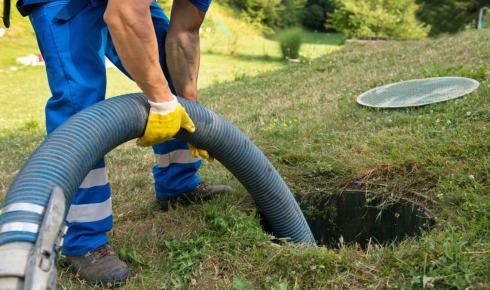
If you’ve ever experienced a full-home backup or a soggy patch of yard with no explanation, your sewer line might be to blame. The good news? You don’t have to guess anymore. A sewer camera inspection can give you an up-close view of your sewer system — tree roots, collapsed sections, and all.
These waterproof cameras snake through your main sewer line, offering real-time footage that your plumber can analyze right there on the spot. Not only does this make diagnosis more accurate, but it also helps pinpoint the exact location of a problem, which means less digging and less damage.
Plus, it’s great for homebuyers. If you’re buying a property and skipping the sewer inspection… you might be inheriting a ticking time bomb.
The Not-So-Obvious Signs You Might Have a Leak
Leaks aren’t always obvious. Sometimes, they don’t leave puddles on the floor or drip from the ceiling. Instead, they hide in walls, under slabs, or below floors, slowly rotting away materials and racking up your water bill.
That’s where professional leak detection services become your best friend. Today’s leak detection tools are incredibly advanced — using infrared imaging, acoustic sensors, and pressure testing to find the tiniest breaches. They can spot issues even when there’s no visible water, allowing for quick action that minimizes repair costs and prevents structural damage.
Left unchecked, leaks can lead to mold growth, weakened foundations, and costly reconstruction. A yearly check-up is a small price to pay for peace of mind.
Why Being Proactive Beats Reactive Every Time
We’ve all been there — something breaks, and we scramble to fix it. But plumbing doesn’t have to work that way. A little attention to what’s not visible can save you thousands in repairs and months of headaches.
- That gas smell? Don’t brush it off.
- That slow drain? Might be a bigger issue down the line.
- That spike in your utility bill? A leak could be the culprit.
Most plumbing disasters are preventable if caught early. Thanks to camera inspections, pressure tests, and smart diagnostic tools, plumbers today can see more, do more, and fix more — without tearing your home apart in the process.
What to Expect from a Modern Plumbing Inspection
If you’ve never booked a comprehensive plumbing inspection, here’s what typically happens:
- Visual inspection of key fixtures and systems
- Camera inspection of sewer and drain lines
- Pressure tests for water and gas lines
- Leak detection using advanced sensors
- A detailed report outlining what was found and any suggested repairs or improvements
No guesswork. No unnecessary digging. Just clear answers and smart solutions.
Final Thoughts: What You Can’t See Can Hurt You
The most dangerous plumbing problems aren’t the ones that gush water or smell like sewage. They’re the ones that stay hidden. The hairline crack in your gas line. The slow leak under your slab. The tree roots quietly breaking into your sewer line. You don’t see them — until it’s too late.
But here’s the good news: modern plumbing tools are better than ever. Gas plumbing inspections, pipe inspection cameras, and smart leak detection systems catch problems early. And when things get serious? A sewer camera inspection shows you exactly what’s going on, so repairs are faster, cheaper, and far less invasive.
So don’t wait for disaster. Give your pipes the attention they deserve. Because when the hidden systems of your home are in good shape, everything else just flows. Literally.