
How IoT and Sensors Are Quietly Transforming Modern Technology
Introduction
If you pause for a moment and look around, it’s almost surprising how many everyday things are now quietly “smart.” From home appliances to industrial machines, there’s an invisible layer of technology making decisions, sending alerts, and improving efficiency. At the heart of this transformation lies iot and sensors a combination that’s redefining how systems communicate and operate in real time.
What Is IoT and Why Does It Matter?
The Internet of Things, or IoT, is essentially a network of connected devices that collect and exchange data. These devices can be anything—cars, refrigerators, wearables, or even streetlights. But here’s the catch: without sensors, IoT would just be a concept. Sensors act as the eyes and ears of these systems, capturing real-world data and feeding it into digital platforms.
What makes IoT especially powerful is its ability to automate decisions. For example, a smart irrigation system can detect soil moisture levels and water plants only when needed. That’s not just convenient—it’s efficient and sustainable.
The Role of Sensors in Smart Systems
Sensors come in many forms: temperature sensors, pressure sensors, motion detectors, and more. Each one serves a specific purpose, collecting data from its environment. This data is then processed, often in real time, to trigger actions or generate insights.
In industries like manufacturing, sensors help monitor equipment performance. In healthcare, they track patient vitals. Even in smart homes, sensors adjust lighting and temperature based on user behavior. It’s a subtle but powerful shift—from reactive systems to proactive ones.
Why Vibration Sensors Are Gaining Importance
Among the many types of sensors, the vibration sensor has carved out a unique space, especially in industrial applications. It might sound niche at first, but its impact is quite significant.
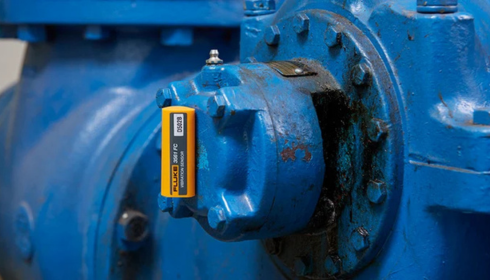
A vibration sensor detects changes in motion, oscillation, or mechanical movement. In machinery, unusual vibrations often signal problems—like misalignment, imbalance, or wear and tear. By catching these signs early, businesses can prevent costly breakdowns.
Think of it like this: instead of waiting for a machine to fail, vibration sensors act like an early warning system. They don’t just save money; they also improve safety and reduce downtime.
Real-World Applications You Might Not Notice
One of the interesting things about IoT and sensors is how seamlessly they blend into everyday life. You don’t always notice them, but they’re there, working in the background.
- Smart cities: Sensors monitor traffic flow, air quality, and energy usage.
- Automotive industry: Cars use sensors for parking assistance, collision detection, and engine diagnostics.
- Agriculture: Farmers rely on sensors to track soil health and weather conditions.
- Healthcare: Wearable devices monitor heart rate, sleep patterns, and activity levels.
And in heavy industries, vibration sensors are used to monitor turbines, motors, and pumps—ensuring everything runs smoothly.
Challenges and Considerations
Of course, it’s not all perfect. With increased connectivity comes concerns about data security and privacy. Managing large volumes of sensor data can also be complex. Then there’s the cost of implementation, which can be a barrier for smaller businesses.
Still, as technology evolves, these challenges are gradually being addressed. More secure systems, better data management tools, and affordable solutions are making IoT accessible to a wider audience.
The Future Outlook
Looking ahead, the integration of IoT and sensors is only expected to deepen. With advancements in artificial intelligence and machine learning, systems will become even more predictive and autonomous.
Imagine factories that can self-diagnose issues before they occur, or homes that adapt entirely to your lifestyle without manual input. It’s not science fiction anymore—it’s already happening, just in quieter ways than we expected.
Conclusion
There’s something almost understated about how IoT and sensors are changing the world. No flashy announcements, no dramatic shifts—just steady, meaningful improvements in how things work. Whether it’s a smart home adjusting your comfort or a vibration sensor preventing a major industrial failure, these technologies are proving that sometimes the most powerful innovations are the ones you barely notice.